
Inclusive Education: Equal Opportunities for All
We strive to create an educational environment where every student, regardless of their individual characteristics, can receive a quality education, unlock their potential, and feel part of the community.
Ensuring Architectural Accessibility (Barrier-Free Environment)
Ensuring physical accessibility is one of our priorities, enabling students and visitors with disabilities to access all educational, administrative, and auxiliary facilities without barriers.
• Elevator: A modern passenger elevator provides easy access to all floors of the building.
• Ramps: External and internal ramps are equipped with non-slip surfaces and handrails.
• Wide doorways and corridors: Door openings and corridors comply with accessibility standards, allowing free movement of wheelchair users.
• Restrooms: Specially equipped sanitary facilities.
Information Accessibility and Adapted Educational Programs
We ensure access to the educational process and information for all students, including the use of adapted programs and technologies.
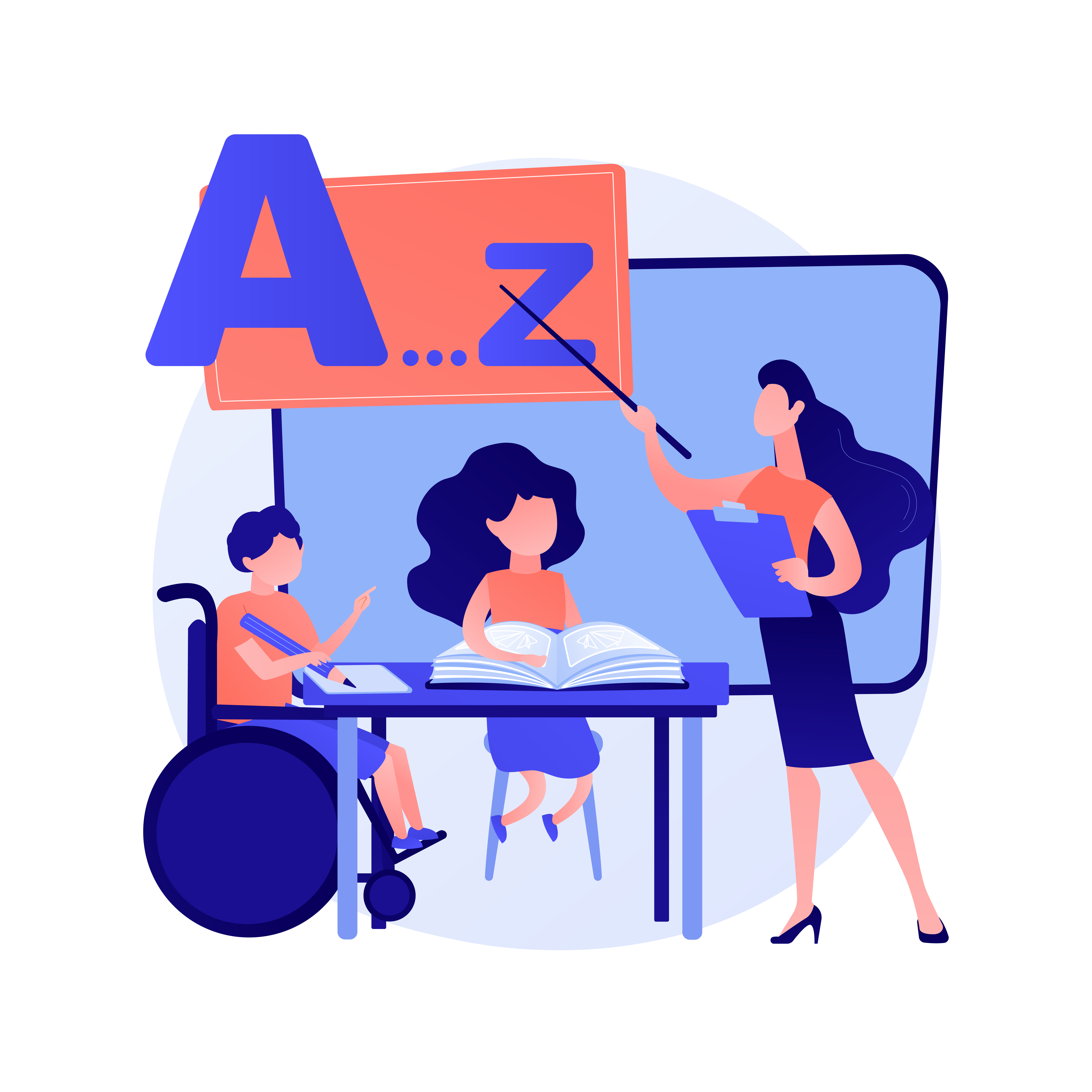
• Adapted Programs (AEP): Individual learning plans and adapted educational programs (AEP) are developed and implemented for students with special educational needs, taking into account their psychophysical characteristics and learning pace.
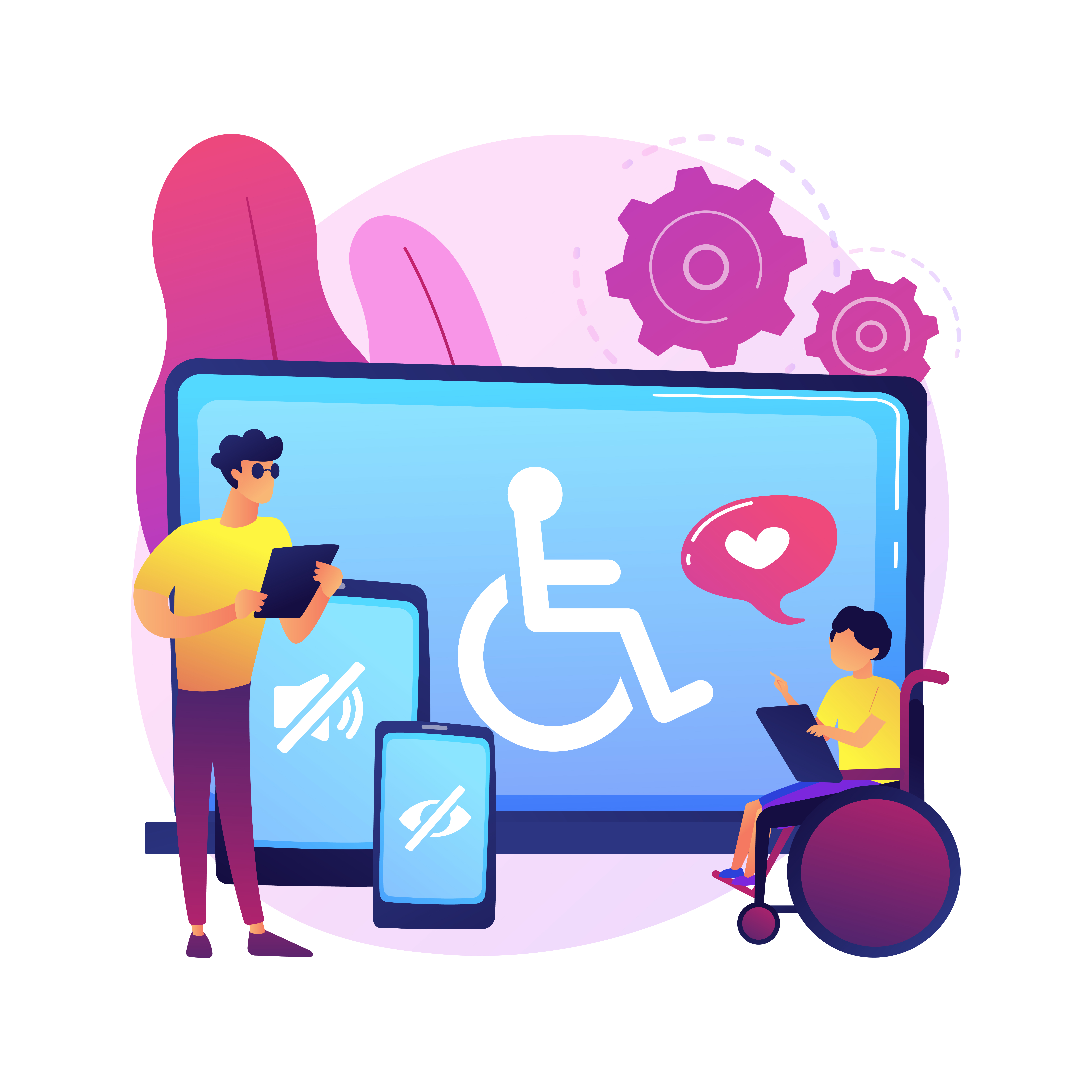
• Electronic resources: Access to learning materials in electronic formats compatible with assistive technologies (screen readers, magnifiers).
Transport Accessibility: Parking for Persons with Disabilities and a Barrier-Free Route
• Convenient and safe transport access to the university building is ensured.
• Path to the building: A smooth, non-slip, threshold-free path with no height differences leads from the parking area to the entrance.
• Designated parking: Specially marked parking spaces for vehicles of persons with disabilities (signs and markings) are provided on campus and located as close to the entrance as possible.
Psychological Support and Accompaniment Service
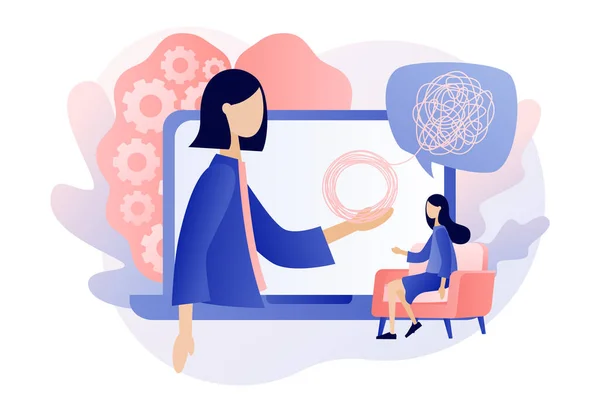
We provide comprehensive psychological and pedagogical support to all participants of the educational process — students with disabilities, their parents, and teachers.
• Specialists: Our service is staffed by qualified psychologists and social educators.
• Consultations: Individual and group consultations are offered to assist with adaptation, overcoming learning difficulties, and developing social and communication skills.
• Training sessions: Trainings are conducted to promote tolerance and an inclusive culture among all students and staff.
Material Resources and Special Equipment
Specialized equipment is used in classrooms and resource centers to ensure a full-fledged inclusive learning process.
• Equipment for visually impaired/blind students: Screen magnifiers, Braille printers, typhlo devices, tactile materials.
• Equipment for hearing impaired/deaf students: Induction loops, FM systems, special sound amplification devices.
• Correctional and developmental equipment: Specialized sensory rooms, fine motor skill development tools, and interactive boards designed for learners with special needs.